
Fire Prevention & Preparedness
Fire Safety
Resources
Fire safety begins long before an emergency. Working alarms, a practiced escape plan and a few everyday precautions can help protect your home and the people who live there.
Start Here
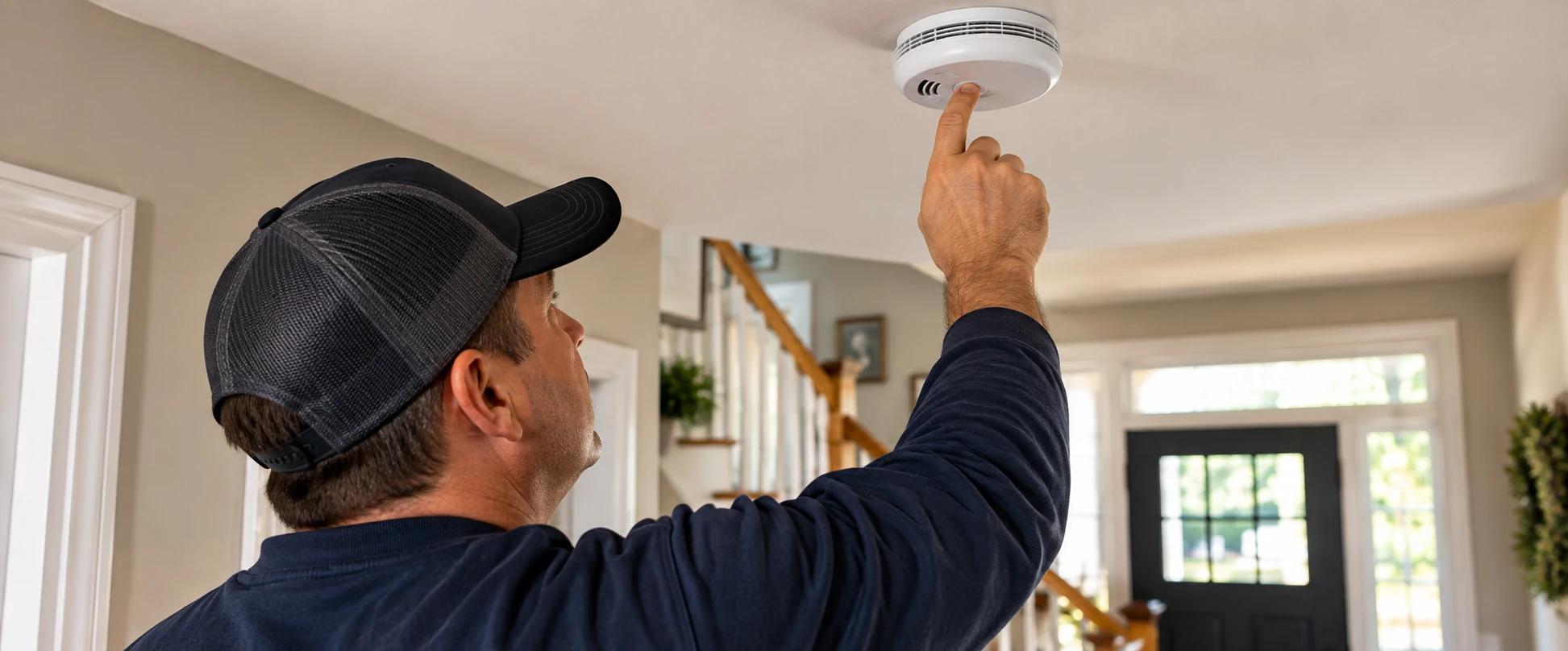
Smoke & Carbon Monoxide Alarms
Working alarms provide early warning when every second matters. They are one of the simplest and most important ways to protect the people in your home.
When possible, use interconnected smoke alarms so that when one alarm sounds, they all sound. Carbon monoxide alarms should also be installed on every level of the home and outside sleeping areas.
If a carbon monoxide alarm sounds or you suspect carbon monoxide poisoning, move everyone outside to fresh air and call 911.
Be Ready Before You Need It
Have a Home Fire Escape Plan
A smoke alarm warns you about a fire. An escape plan helps everyone know what to do next.
- Identify two ways out of every room whenever possible.
- Keep doors, windows and escape routes clear.
- Choose a permanent meeting place outside the home.
- Make sure everyone knows how to call 911.
- Practice your escape plan with everyone who lives in the home.
- Plan for children, older adults and anyone who may need help escaping.
Once you escape a burning building, do not go back inside for belongings, pets or anything else. Tell arriving firefighters if someone or a pet may still be inside.
Close Before You Doze
A closed door can help slow the spread of smoke, heat and fire. Consider sleeping with bedroom doors closed, and close doors behind you when escaping if you can do so safely.
Around the Home
Reduce Everyday Fire Risks
Many home fires begin during ordinary activities. A few simple habits can reduce the risk.
Kitchen
Cooking Safety
Cooking is the leading cause of home fires and home fire injuries. Staying attentive while food is cooking is one of the most effective ways to prevent a kitchen fire.
- Stay in the kitchen when frying, grilling or broiling food.
- Turn off the burner if you must leave the kitchen.
- Keep anything that can burn away from the stovetop.
- Turn pot and pan handles toward the back of the stove.
- Keep children and pets away from the cooking area.
- If a small grease fire starts in a pan, turn off the burner and carefully cover the pan with a lid or baking sheet. Do not use water on a grease fire.
Heating
Space Heaters, Fireplaces & Wood Stoves
- Turn portable heaters off when leaving the room or going to bed.
- Plug portable heaters directly into a wall outlet.
- Keep children and pets away from heating equipment.
- Use a sturdy screen in front of fireplaces.
- Allow fireplace ashes to cool before disposal.
- Have chimneys and heating equipment inspected and cleaned regularly.
Electrical
Electrical & Appliance Safety
Damaged electrical equipment, overloaded outlets and improper use of extension cords can create serious fire hazards.
- Replace electrical cords that are cracked, damaged or frayed.
- Do not overload electrical outlets or power strips.
- Do not run electrical cords beneath rugs or carpets.
- Plug major appliances directly into wall outlets.
- Keep the area around appliances clear of combustible materials.
- Clean the lint filter in your clothes dryer after every load.
- Keep dryer vents and exhaust ducts clean and unobstructed.
A Growing Fire Risk
Lithium-Ion Battery Safety
Rechargeable lithium-ion batteries power phones, laptops, tools, lawn equipment, e-bikes and many other products. Damaged or improperly charged batteries can overheat, catch fire or explode.
Charge Safely
Use charging equipment recommended for the device and follow the manufacturer's charging instructions.
Watch for Warning Signs
Stop using a battery if you notice unusual heat, swelling, leaking, odor, changes in shape or other signs of damage.
Keep Exits Clear
Do not charge or store battery-powered devices where they could block a doorway, hallway or other escape route.
Dispose of Batteries Properly
Lithium-ion batteries should not be placed in household trash or ordinary recycling. Use an appropriate battery recycling or disposal location.
Move away from the device, get everyone out of the area and call 911. Do not put yourself at risk trying to handle a burning or overheating battery.
Power Outages & Emergencies
Portable Generator Safety
Operate portable generators outdoors and at least 20 feet away from the home, with exhaust directed away from doors, windows and vents.
An Open Garage Is Still Not a Safe Location
Never operate a portable generator inside a house, garage, basement, shed or other enclosed or partially enclosed space. Opening doors and windows does not provide enough ventilation to prevent dangerous carbon monoxide buildup.
Carbon monoxide is colorless and odorless. Working carbon monoxide alarms provide critical warning when a generator or other fuel-burning equipment is in use.
Pennsylvania Fire Safety
Outdoor Burning & Wildfire Prevention
Dry vegetation, wind and changing weather conditions can allow an outdoor fire to spread much faster than expected.
Before conducting any outdoor burning, check current fire conditions and determine whether local or county burn restrictions are in effect. Local regulations may also limit when, where or what may be burned.
- Never burn during high fire danger or when a burn ban is in effect.
- Avoid burning on dry or windy days.
- Keep the area surrounding the fire clear of combustible vegetation.
- Have water and appropriate tools immediately available.
- Never leave an outdoor fire unattended.
- Make certain the fire is completely extinguished before leaving.
Check Before You Burn
Pennsylvania DCNR provides current wildfire information and information about county burn bans.
View Pennsylvania Burn Ban InformationPlan for Everyone
Every Household Is Different
Your fire safety plan should reflect the needs of everyone who lives in your home.
Children
Children should recognize the sound of the smoke alarm, understand the family escape plan and know where to meet outside. Teach children never to hide during a fire and never to return to a burning building.
Older Adults & Mobility Needs
Consider whether anyone may need additional time or assistance to escape. Keep mobility devices and other necessary equipment accessible and include those needs when practicing the household escape plan.
Hearing Needs
Smoke and carbon monoxide alarms are available with features such as flashing lights and bed-shaking devices for people who may not reliably hear a conventional alarm.
After the Emergency
After a Fire
The hours and days following a fire can be overwhelming. Do not enter a fire-damaged building until fire officials say it is safe to do so. Structural damage, utilities, hidden fire and other hazards may remain after the visible fire has been extinguished.
The U.S. Fire Administration provides information to help individuals and families understand some of the steps that may follow a home fire.
Visit U.S. Fire Administration Home Fire ResourcesTrusted Resources
Information You Can Trust
The fire-safety information presented on this page is based on guidance from recognized fire, life-safety and public-safety organizations. Recommendations can change as research, technology and safety standards evolve, so we encourage residents to consult these organizations for additional and current information.
Fire prevention, home fire safety, smoke alarms, escape planning and public fire-safety education.
Fire & Life Safety National Fire Protection AssociationFire and life-safety research, standards, codes and public education.
Consumer Safety U.S. Consumer Product Safety CommissionProduct safety information including generators, batteries, appliances and carbon monoxide hazards.
Pennsylvania PA Department of Conservation & Natural ResourcesPennsylvania wildfire prevention, current fire conditions and burn-ban information.